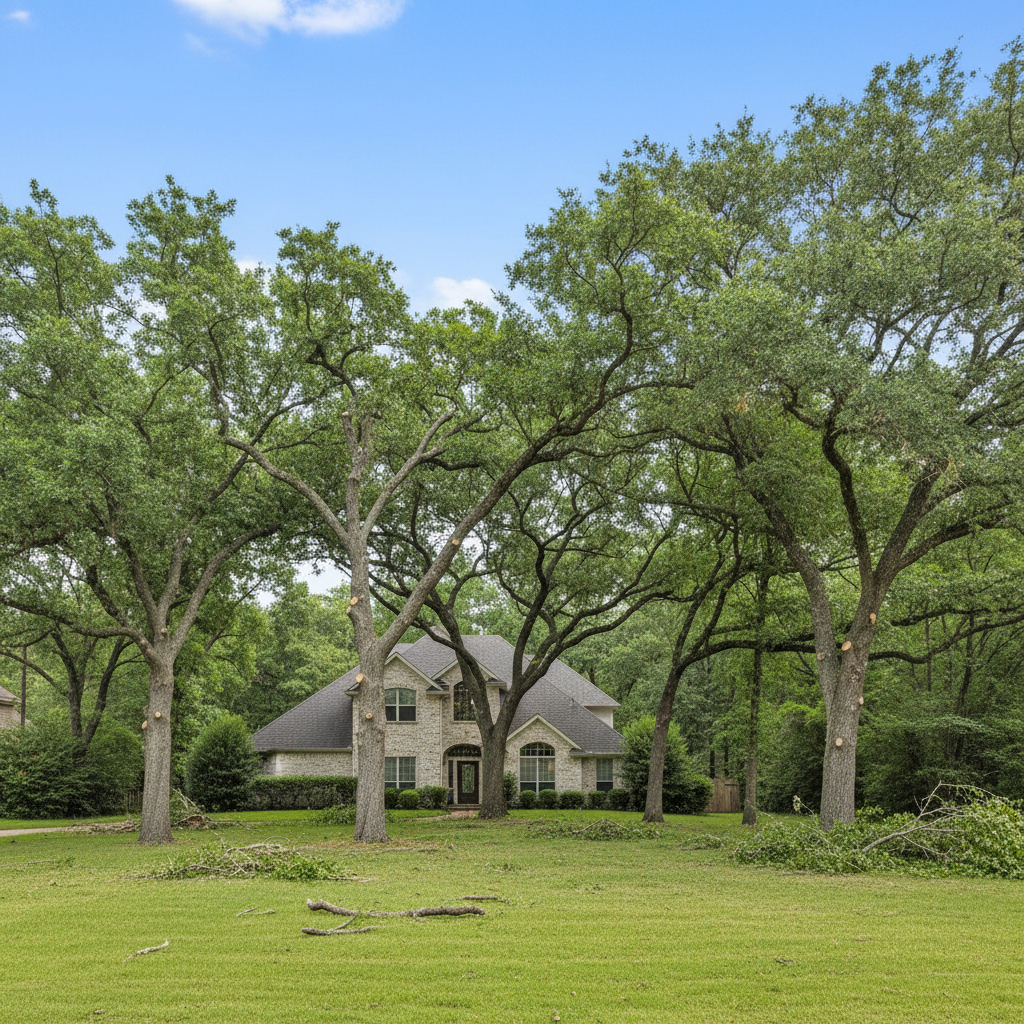
Alright, so you've decided it's time to get those trees trimmed. Good call, really. It's not just about making your yard look tidy; it's about keeping your trees healthy, your property safe, and sometimes—let's be honest—letting a little more sunshine into the house. But don't just call the first number you see. A good tree trimming project needs a bit of thought. Here's what I tell folks around Nederland when they ask me how to tackle it.
When's the Best Time to Trim Your Trees?
Timing can make a big difference for your trees, no doubt about it. Generally, late fall or winter, when most trees are dormant, is ideal. They've dropped their leaves, so it's easier to see the branch structure. Also, they're not actively growing, which means less stress from pruning cuts. Plus, pests and diseases are less active, so there's less chance of infection. That's a win-win.
Now, that's for general maintenance. If you've got a dead or dangerous limb hanging over your roof, or if a storm just blew through and caused some damage, you don't wait for winter. That's an immediate safety issue, and you need to get it handled fast. We get plenty of those sudden, heavy downpours here in Southeast Texas, so I've seen my share of emergency calls over the years.
Flowering trees are a bit different. You usually want to trim those right after they finish blooming. That way, you're not cutting off the buds for next year's flowers. Fruit trees have their own specific schedules too, often in late winter, but that depends on the type of fruit you're growing.
What to Expect During the Trimming Process
Once you've got a crew scheduled, here's what typically goes down. First, they'll show up on time, or at least give you a heads-up if they're running a few minutes late. A good crew will do a walk-through with you before they start, just to confirm what's being trimmed and if there are any specific concerns you have. This is your last chance to point out that one branch you're worried about, you know?
Then, the work starts. You'll see climbers with ropes and harnesses, or guys in bucket trucks, carefully making cuts. They're not just hacking away; they're looking for dead, diseased, or crossing branches. They're also shaping the tree for health and aesthetics, making sure not to remove too much of the canopy at once. It's a precise job, especially when they're working around power lines or close to your house. You'll hear chainsaws, chippers, and maybe some yelling to communicate between the ground crew and the climbers. It's a noisy process, but it's efficient.
After the trimming, the crew will clean up. This means chipping branches, raking up leaves and debris, and generally leaving your yard looking better than they found it. We take pride in our cleanup at Classic Tree; it's part of doing a professional job, plain and simple.
How to Prepare Your Property
You can help make the process smoother and safer. Before the crew arrives:
- Clear the area: Move anything valuable or fragile from under and around the trees being worked on. Think patio furniture, grills, kids' toys, bird feeders, garden decorations. Even if they're careful, things can fall.
- Unlock gates: If the crew needs access to your backyard, make sure gates are unlocked. Let them know if you have any pets that might try to make a break for it.
- Point out underground utilities: While tree trimming usually doesn't involve digging, it's always good to mention if you have any shallow irrigation lines or other buried items near the work area.
- Talk to your neighbors: If branches hang over a property line, give your neighbors a heads-up that work will be happening. It's just good manners, right?
- Stay clear: Once the crew starts, give them space. Tree work is dangerous, and the last thing they need is someone walking under a falling branch or getting in the way of equipment.
Questions to Ask Before Signing a Contract
Before you agree to anything, you need to be sure you're hiring the right people. Here are some non-negotiable questions:
- Are you licensed and insured? This isn't just a suggestion; it's critical. They should have liability insurance and worker's comp. Ask for proof and call their insurance company to verify. If someone gets hurt on your property without worker's comp, you could be on the hook.
- Can you provide references? A reputable company will happily give you names and numbers of past clients. Call them. Ask about their experience, cleanup, and professionalism.
- What specific trimming methods will you use? Make sure they're talking about proper pruning techniques like crown reduction, thinning, or deadwood removal, not topping. Topping is terrible for trees and can actually make them more dangerous in the long run.
- What's included in the price? Get a detailed breakdown. Does it include debris removal? Stump grinding (if that's part of the job)? What about hauling away the wood? Make sure there are no hidden fees.
- When can you start, and how long will it take? Get a clear timeline so you know what to expect.
- Do you offer a written estimate and contract? Never, ever agree to work without a written contract that outlines everything discussed: scope of work, price, timeline, and insurance details.
Don't rush this part. Taking the time to ask these questions and get solid answers will save you a lot of headaches down the road. You're investing in your property and the health of your trees, so make sure you're getting a professional job done right.