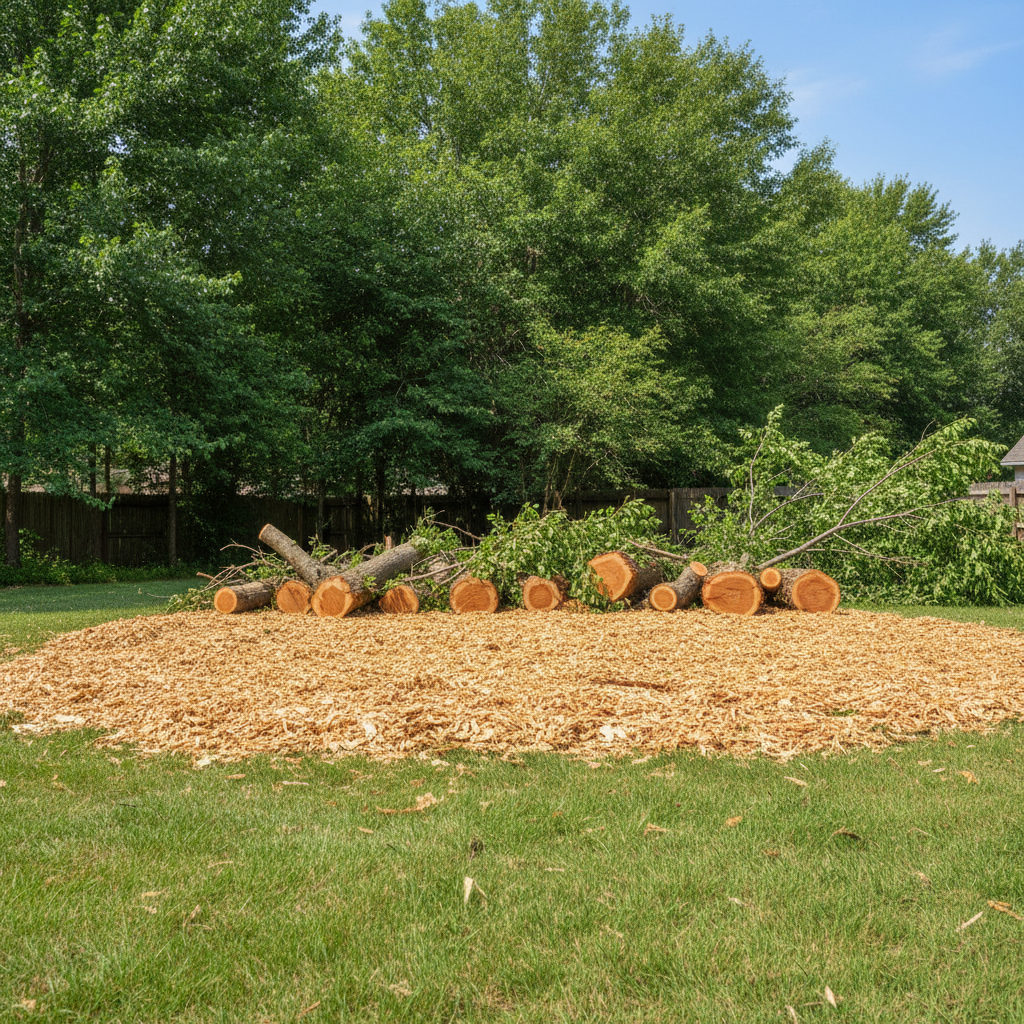
When's the best time to trim my trees around Nederland?
That's probably the most common question I hear, and it's a really good one. For most deciduous trees – you know, the ones that shed their leaves in winter – the dormant season is usually your best bet. Think late fall, after all the leaves have dropped, right through winter, and into early spring before new buds really start to swell. Why then? Well, without all those leaves, it's a lot easier to see the tree's actual structure, spot any dead or diseased branches, and make nice, clean cuts. Plus, the tree isn't actively growing, so it feels less stressed by the pruning, and it'll heal up faster once spring finally arrives. You'll also notice less sap bleeding, which is a bonus. Now, for flowering trees, things get a little trickier. If it's a spring bloomer, like a Dogwood or a Redbud, you'll want to prune it right after it finishes flowering. That way, you won't accidentally cut off next year's flower buds. If it flowers in summer, you can often prune it in late winter or early spring without much fuss. Evergreen trees, like pines or magnolias, can usually be pruned any time of year, but I generally suggest doing it when they're not under a lot of stress. So, maybe avoid the hottest part of summer or during a drought. We certainly get some pretty brutal summers here in Nederland, don't we? I'd definitely steer clear of heavy trimming when it's 100 degrees out. The main thing, really, is to avoid pruning too much when a tree is already stressed, whether that's from heat, drought, or disease.
How much of my tree can actually be trimmed off at once?
This is where people often run into trouble. A good rule of thumb, and one I always stick to, is never take off more than about 25% of a tree's live canopy in a single year. Sometimes, if a tree is seriously overgrown or has been neglected for a while, you might need to do a little more, but you've really got to be careful. Taking off too much at once, especially more than 30-40%, can truly shock the tree. It can lead to excessive epicormic growth – those weak, suckering branches that just pop up all over the trunk and main limbs – or it can simply stress the tree to the point of decline. Think of it like a person losing too much weight too fast; it's just not healthy. It's much better to spread out heavy pruning over a couple of years if a tree needs a lot of work. Patience, my friend, is absolutely key when it comes to tree health. You want to keep the tree's natural shape and structure, not hack it into something it was never meant to be.
Do I really need to seal or paint the cuts after trimming?
Short answer? Nah, not usually. For most trees and most cuts, those wound dressings or tree paints actually do more harm than good. Back in the day, folks thought it helped prevent disease and pests, but research has clearly shown it can trap moisture and pathogens underneath, creating a perfect breeding ground for problems. It can also mess with the tree's natural healing process, which is called compartmentalization. Trees are amazing, honestly; they've got their own way of walling off injuries. The best thing you can do is make a clean, proper cut in the right spot. That's it. The only time you might think about a sealant is in very specific situations, like if you're pruning an oak tree during oak wilt season in an area where that's a known issue. Which, thankfully, isn't typically a major concern right here in Nederland. But for your everyday trimming, just leave it alone. Let the tree do its thing.
What's the difference between 'deadwooding' and other types of trimming?
Deadwooding is exactly what it sounds like: removing dead, dying, or diseased branches from a tree. It's a super important part of tree care for a few reasons. First, those dead branches are a real hazard. They can fall at any time, especially during one of our big Gulf Coast storms, and damage property or even injure someone. Second, dead wood can attract pests and diseases that might then spread to the healthy parts of the tree. Third, well, it just looks better, doesn't it? A tree full of dead branches isn't exactly a looker. Other types of trimming, like structural pruning, aim to improve the tree's overall shape and strength, removing crossing branches or weak limbs that could cause problems down the road. Crown raising involves taking off lower branches to provide clearance for people, vehicles, or buildings. Crown reduction, which we've talked about before, reduces the tree's overall size. Deadwooding is often part of any comprehensive pruning job, but sometimes, that's all a tree really needs to stay healthy and safe.
My tree branches are touching my house. Is that a big deal?
Absolutely, it's a big deal. You definitely don't want tree branches touching your house, for several reasons. First, those branches can rub against your roof, fascia, or siding, causing damage over time. That constant friction wears away materials, leading to leaks or rot. Second, they create a bridge for pests – ants, termites, rodents, you name it – to get into your attic or walls. You're basically giving them a superhighway straight to your home. Third, in a strong wind, those branches can whip around and cause more significant damage, breaking windows or tearing off gutters. And finally, if there's a fire, branches touching the house can act as a ladder for flames. You want to maintain a good clearance, usually at least 5-10 feet, between your tree and your home. It's a simple fix that can prevent a lot of headaches and expensive repairs down the line. We see a lot of older homes in Nederland, especially in areas like Port Acres, where trees have been growing for decades and are often way too close to the structure. Getting those cleared back is a smart move.
How often should I have my trees trimmed by a professional?
There's no single answer here, but for most mature trees, having a professional trim them every 3 to 5 years is a good general guideline. Younger trees might need more frequent attention, maybe every 1 to 3 years, to help them develop a strong structure right from the start. This is called structural pruning, and it's really important for setting the tree up for a long, healthy life. Some fast-growing species might also benefit from more frequent trims. However, if you've got a tree that's showing signs of stress, disease, or has broken limbs from a storm, you'll want to get it looked at sooner rather than later. Regular inspections are key, you know? Walk around your yard once a month and just look up. Spot anything unusual? Give us a call at Classic Tree. We can come out, take a look, and give you an honest assessment of what your trees need. It's always better to be proactive than reactive when it comes to tree care.