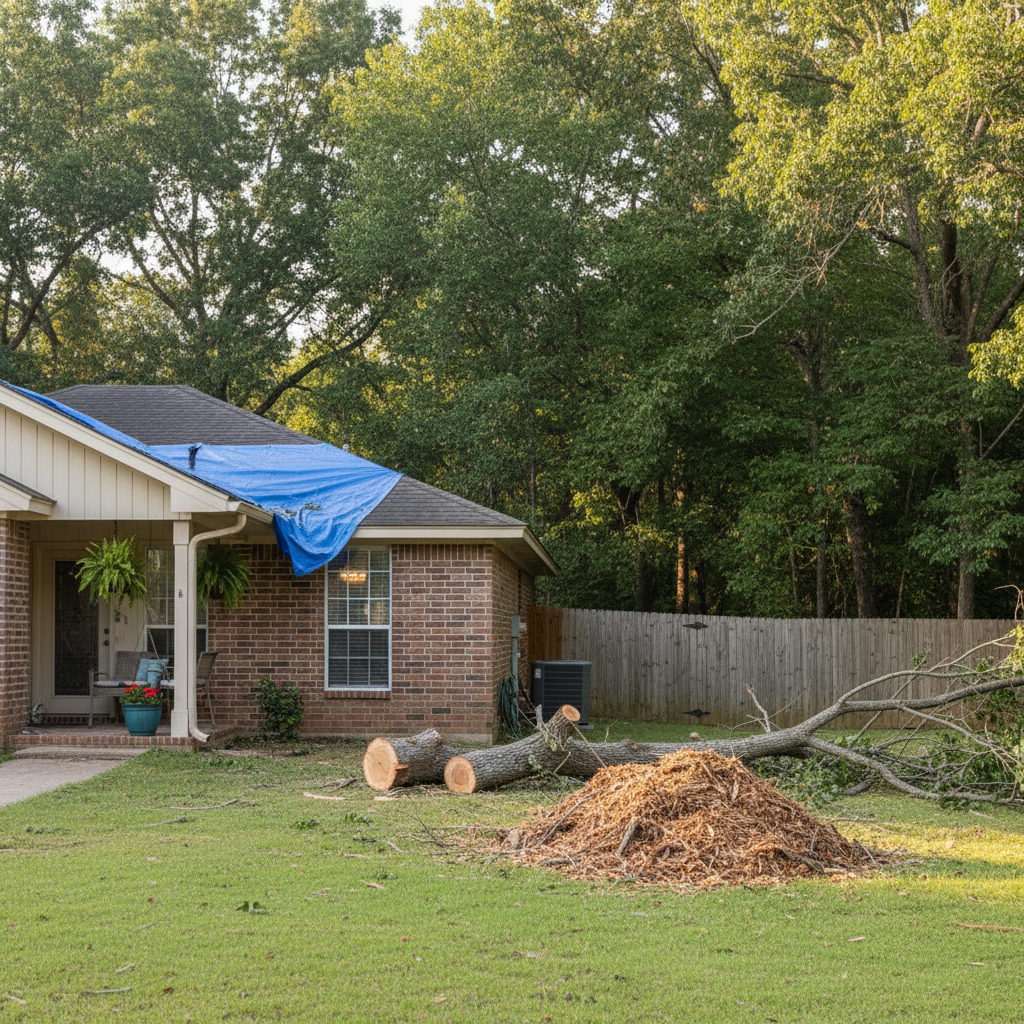
Nobody wants to deal with an emergency tree removal. It's a real headache, often costs a lot, and, let's be honest, usually pops up at the worst possible moment. But here's a thought: you can actually cut down the chances of an emergency, or at least make it way easier to handle when one does hit, just by planning ahead. For us folks right here in Nederland, our local weather plays a huge part in all this, doesn't it?
When to Schedule Tree Removal & Why It Matters
You might just think, "I'll call them when a tree looks bad." And yeah, sometimes that's all you can do. But for those proactive removals – getting rid of a tree that's leaning, sick, or just too close to your house – good timing can save you a ton of grief, and even some cash.
The best time to schedule non-emergency tree removal? That's usually during the dormant season, which runs from late fall right through early spring. Why then? Well, for starters, the trees don't have leaves. That means less mess to clean up, and it's a lot easier for us to really see the tree's structure and any hidden dangers. Plus, the ground is typically firmer, and that's a big deal for our heavy equipment. Soft, squishy ground after a bunch of rain, like we often get in spring, can really tear up your yard and even make the job tougher and more dangerous for everyone involved.
Another good reason to schedule during dormancy is demand. After a big storm, everyone needs help, and the good tree services get absolutely swamped. If you've got a tree that's been bugging you, getting it removed before hurricane season kicks off is just plain smart. You'll probably get on the schedule quicker, and you'll definitely avoid those emergency rates.
How Weather Conditions Affect Emergency Work
Our weather here in Nederland? It's no joke. We get everything from scorching summers to sudden freezes, and let's not forget those tropical storms and hurricanes. Each of these can turn a simple tree removal into a real challenge, or sometimes even make it impossible for a bit.
- High Winds: This one's pretty obvious. We can't safely work on trees when the wind is really whipping around. It's just too dangerous for our crew and for your property. Even if a tree's already down, high winds can still make cleanup tricky.
- Heavy Rain & Flooding: Beyond making the ground soft, heavy rain cuts down visibility and makes everything slippery. Our equipment can get stuck, and it's simply not safe to be up in a tree or running chainsaws in a downpour. If your yard is flooded, we might not even be able to get to the tree, honestly. We've seen plenty of yards in the Port Acres area get pretty waterlogged after a good gully washer, and that just stops work cold.
- Lightning: No brainer here. We're not going to be anywhere near a tall tree with metal equipment during a lightning storm.
- Extreme Heat: We do work in the heat, of course, but extreme temperatures can really slow things down. We have to take more breaks to keep our crew safe from heatstroke.
- Ice: Thankfully, this isn't a common problem for us, but ice storms can make trees incredibly brittle and super dangerous to work on. Plus, our roads can become hazardous, which complicates things.
What this all boils down to for you is that sometimes, even in an emergency, we might just have to wait for a break in the weather. It's frustrating, I know, but safety always comes first. We're not going to put our guys or your home at unnecessary risk, period.
Protecting Your Investment Year-Round
Your trees are an investment, plain and simple. They add value and beauty to your property, don't they? Protecting them isn't just about calling us when there's a problem; it's about consistent, smart care.
First off, do regular inspections. Walk around your yard a few times a year. Look for dead branches, cracks in the trunk, mushrooms growing at the base, or any sudden leaning. If you spot something that looks off, give Classic Tree a call. It's always better to catch a problem early, before it turns into a full-blown emergency.
Second, make sure you're doing proper pruning. We've talked about this before, but getting your trees pruned correctly by a professional helps keep them healthy and structurally sound. It removes weak or dead limbs that could become real hazards in a storm. Think of it as preventative medicine for your trees.
Third, keep an eye on the soil and how much you're watering. Especially during those long, dry stretches we get in summer, make sure your trees are getting enough water. Stressed trees are weaker and more likely to get sick or suffer storm damage. On the flip side, overwatering can also cause problems, particularly with root rot.
Finally, know when a tree is just too far gone. Sometimes, a tree is beyond saving, or it's just in a bad spot. Don't wait until it falls on your roof to make the call. Proactive removal of a hazardous tree is almost always cheaper and way less stressful than cleaning up an emergency mess.
Being a homeowner means being prepared, right? When it comes to your trees, a little foresight goes a long, long way in keeping your property safe and your wallet happy.