Thinking About DIY Tree Removal? Read This First.
So, you've got a tree that needs to go. Maybe it's dead, maybe it's too close to the house, or perhaps it's just in the way of your new patio project. Whatever the reason, you're probably wondering if you can just handle it yourself. It's a fair question, and I've certainly seen plenty of folks around Nederland try. Sometimes it works out, sometimes it really doesn't. Let's break down what you need to know before, during, and after a tree removal, and, more importantly, when to pick up the phone instead of the chainsaw.
Before You Even Think About Cutting
First things first: is this even your tree to remove? Seriously, check. If it's on a property line, talk to your neighbor. If it's a city tree, you absolutely can't touch it. Double-check with the city of Nederland's planning department or public works to be sure. You really don't want a fine or a lawsuit on your hands.
Next, look up. Are there power lines anywhere near this tree? If so, stop right there. Call the power company. They might even remove parts of the tree for free if it's a hazard to their lines. Don't mess with electricity; it's just not worth your life.
Now, let's talk about the tree itself. How big is it? A small sapling, say, thinner than your arm and under 10-12 feet tall, might be manageable. Anything bigger, and you're getting into dangerous territory. Consider the species too. Some trees, like a big old oak, are incredibly dense and heavy. Others, like a dead pine, can be brittle and unpredictable. Think about where it's leaning. Is it leaning towards your house? Your neighbor's house? Your car? That's a huge red flag for DIY, wouldn't you say?
What kind of equipment do you have? A hand saw for a small branch is one thing. A proper chainsaw for a whole tree is another. Do you know how to use it safely? Do you have chaps, a helmet, eye protection, and gloves? If not, you're already behind the eight ball.
During the Removal: What You Can Realistically Do
Okay, let's say you've got a small, manageable tree, no power lines, and it's leaning safely away from everything important. You've got your safety gear on. What now?
- Clear the Area: Make sure no kids, pets, or curious neighbors are anywhere near. You need a clear escape path for yourself.
- Plan Your Fall: This is critical. You need to predict exactly where that tree is going to land. Look for natural leans, prevailing winds, and clear spots. You'll make a notch cut on the side you want it to fall, then a felling cut from the opposite side, slightly above the notch.
- Start Small: If you're just taking off a few lower branches to get better access, that's often a good first step. Use a pole saw or a small hand saw. Always cut from the underside first to prevent bark tearing, then finish from the top.
- Never Work Alone: Even for small jobs, having a spotter who can keep an eye out and help if something goes wrong is smart.
Here's the thing: even with a small tree, things can go sideways fast. Trees don't always fall where you want them to. Branches can snap back. Chainsaws can kick back. I've seen homeowners in older neighborhoods like Port Acres try to take down what they thought was a small tree, only for it to get hung up in another tree or drop unexpectedly and damage a fence. It's not just about the cut; it's about controlling a heavy, unpredictable object.
After the Tree is Down
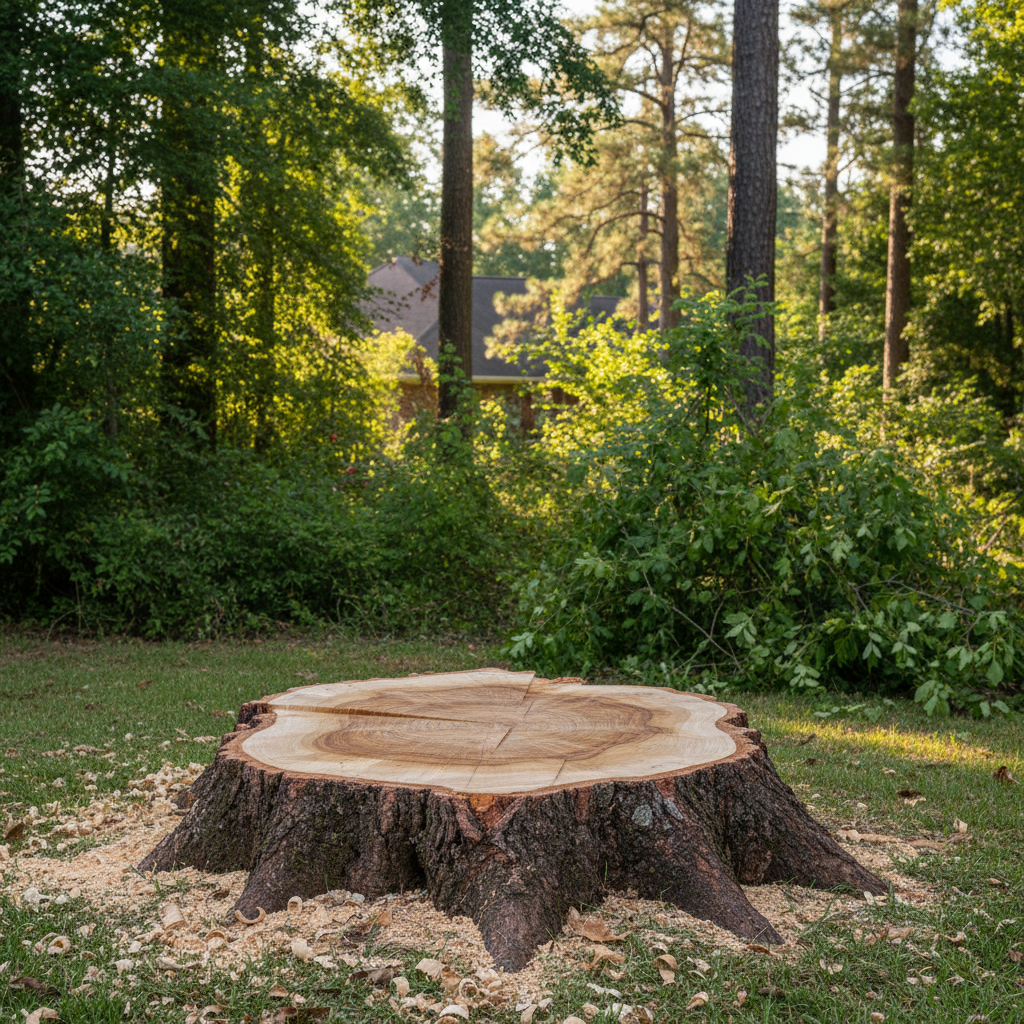
So, you got it down. Great! Now what? You've got a pile of wood. If it's small enough, you can cut it into firewood or haul it to the dump. Remember, Nederland has rules about yard waste disposal, so check with the city. You'll also have a stump. Grinding a stump is a whole other beast. You can rent a stump grinder, but they're heavy, powerful machines that can be dangerous if you don't know what you're doing. Or you can leave it, but it might sprout again or attract pests.
When to Call a Pro (Like Classic Tree)
Look, I'm all for saving a buck, but some jobs are just too risky for a DIY approach. Here's when you absolutely, positively need to call in a professional tree service like Classic Tree:
- Any tree taller than a single-story house. The higher it is, the harder it is to control its fall.
- If it's near power lines, your house, your neighbor's house, or any other structure. The potential for damage is astronomical.
- If it's diseased, dead, or rotting. These trees are unpredictable. They can break apart during the cut, or even before you start.
- If it's leaning significantly in an undesirable direction. Trying to correct a lean with cuts is incredibly dangerous.
- If you don't have the right safety gear or experience with a chainsaw. It's not just about making a cut; it's about understanding tree mechanics and safety.
- If you're unsure, at all. Your gut feeling is usually right. Don't risk your health, your home, or your wallet.
We've got the specialized equipment – cranes, bucket trucks, chippers, stump grinders – and more importantly, the training and insurance to do it safely and efficiently. We deal with tricky situations every day, like those massive live oaks that grow so close to homes here in Southeast Texas. Sometimes, the cheapest option isn't the DIY one when you factor in potential hospital bills or property damage. Give us a call at Classic Tree. We'll come out, take a look, and give you an honest assessment. We'd rather you call us for a quote than for an emergency after something's gone wrong.